
Nature's Fault Lines
From Scotland's Outer Hebrides to Cambodia's ghost forests and the Amazon, Indigenous and local communities are proving to be nature's most effective guardians. Indigenous peoples make up just 6% of the global population yet protect a third of the world's most biodiverse areas, holding legal title to only 11% of that land.
In Cambodia, Kuy-controlled forest lost just 7% of its primary cover, versus 77% in the neighbouring wildlife sanctuary.
Meanwhile, Scotland's degraded peatlands, a vital carbon store, are finally attracting restoration funding for crofters. With the world pledging to protect 30% of nature by 2030, Indigenous rights are essential. Travellers can help by choosing locally owned hotels and restaurants, keeping more money in destinations and reducing economic leakage.

Right of Passage
Anti-tourism, overtourism and unequal passport power are reshaping travel. Drawing on a childhood experience in France, this article argues that tourism is a choice and privilege, not an automatic human right. Visa restrictions, golden visas and border systems expose a global hierarchy in which wealth, nationality and political influence determine who can travel freely. Even after visitors cross the border, local acceptance is not guaranteed. Spain’s tourism protests, pressure on communities in destinations such as Menorca, and growing concern about visitor impact show why responsible travel matters.
Travellers from the global north must recognise their footprint, respect residents and approach destinations with humility. Sustainable tourism depends on rebuilding trust between visitors and host communities, reducing friction and entitlement, and making choices that support local wellbeing. The future of travel requires awareness, reciprocity and a stronger commitment to community-led tourism.
The Invisible Workforce
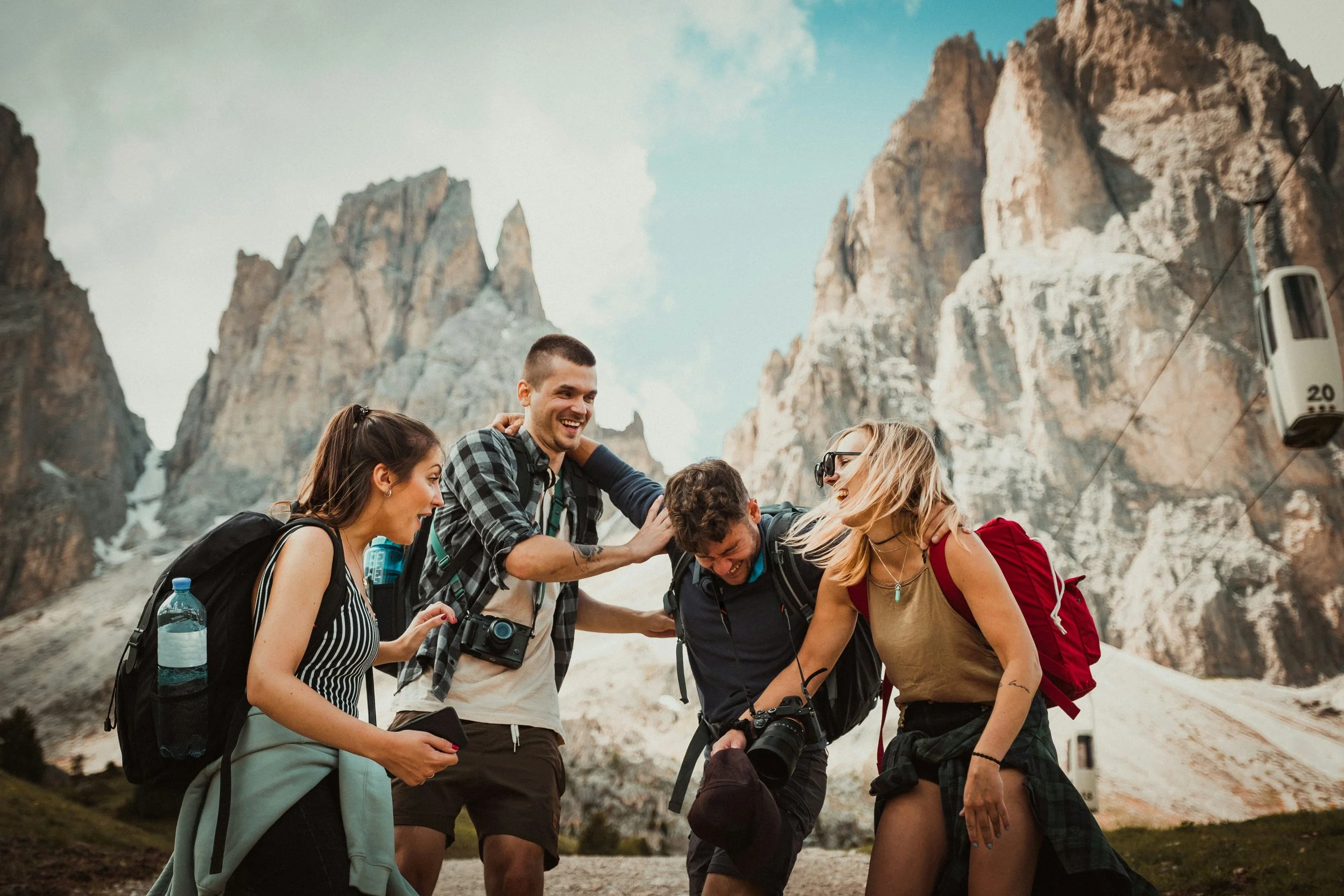
Tourism and hospitality employ millions worldwide, but the people behind the visitor economy are too often overlooked. From Edinburgh tour guides on the Royal Mile to workers in emerging markets, this article explores the hidden realities of tourism jobs, including low pay, seasonal work, informal labour and exploitation. It challenges the ethics of free walking tours, short-term rentals such as Airbnb, and the growing impact of AI and automation on authentic travel experiences. Highlighting fair tourism models, including B Corp businesses and community-focused alternatives like Fairbnb, it argues for a visitor economy built on fair work, local value and responsible travel. As destinations face overtourism, platform extraction and the risk of a vanishing workforce, tourists are urged to recognise the people who make travel meaningful and to support fair pay, ethical practices and human connection in tourism and hospitality.
The Bold Leap
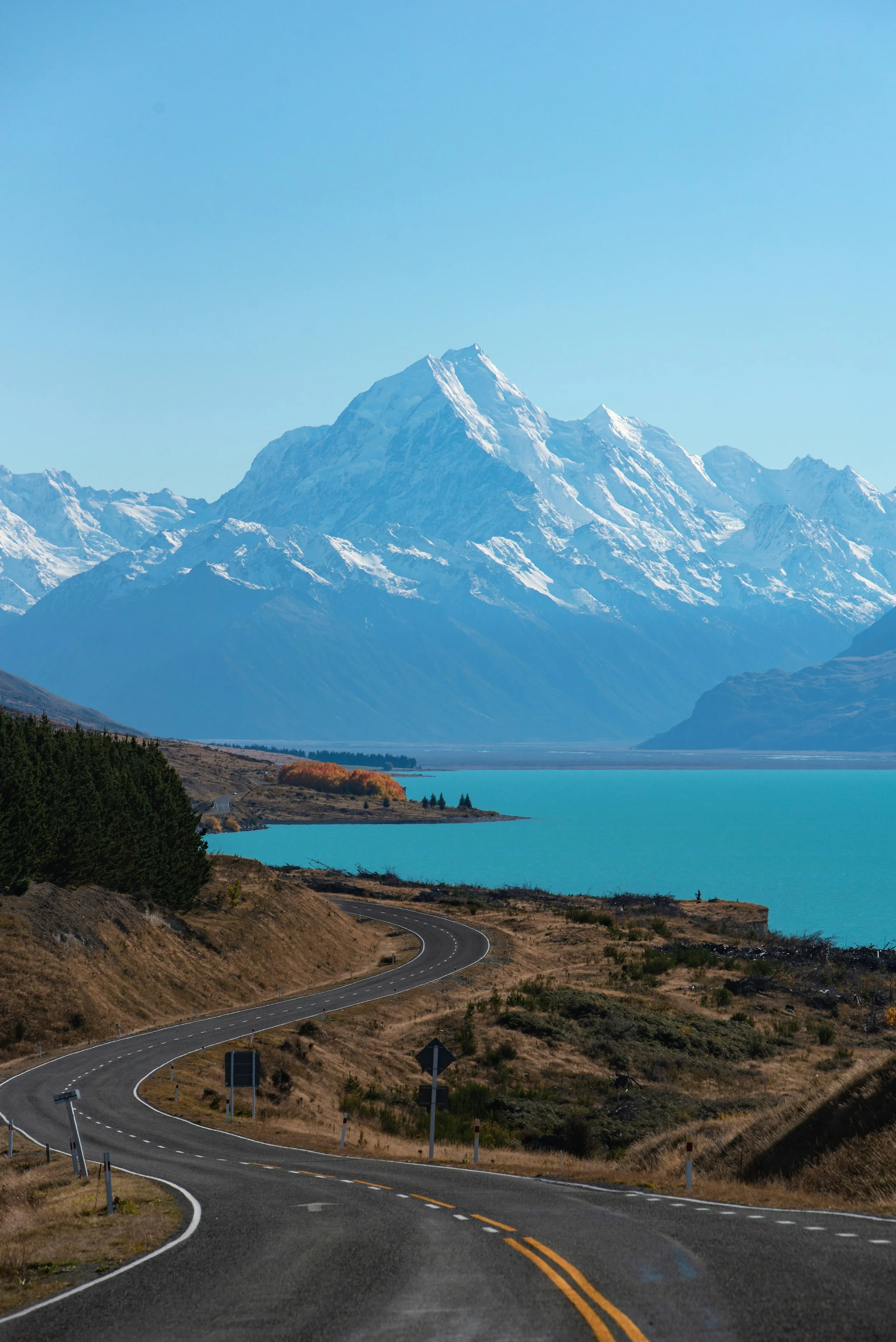
Sustainable tourism needs a bold leap - not incremental tweaks, but a fundamental shift from purpose-as-afterthought to purpose-built-in, much like the B Corp model. Destinations must move from inward-focused thinking to outward, bottom-up action. Copenhagen and Berlin are already leading; Bonito, Brazil, became the first carbon-neutral destination; and New Zealand pioneered regenerative tourism, though political pressure rolled back its progress, proving that taking the leap is easier than holding steady.
Since governments change and progressive policies can be reversed, tourism needs independent, agnostic frameworks — GSTC, B Corp, and SBTi — to decouple sustainability from political whims. Progress doesn't require being first, just better than before, starting with a climate action plan and ESG goals.
Collaboration is key: RegNext in the Canary Islands shows how private sector, government, and community partners can align around net-positive, regenerative impact, bridging frameworks like GSTC and B Corp for real change.

People Do Care
Do visitors really not care about sustainable tourism? A recent Adventure Elevate panel concluded they don't but the data tells a different story. This article argues the real barrier to regenerative tourism isn't visitor apathy, it's a say-do gap: travellers have genuine sustainability intentions but lack systems that help them act on them. Booking.com's 2026 Sustainable Travel Report shows 85% of travellers see sustainable travel as important, and 53% now recognise tourism's impact on local communities, not just the environment. Cities like Copenhagen and Berlin prove this gap can close: their CopPay model rewards responsible travel behaviour, changing outcomes by changing the system. Legacy tourism structures benefit from inertia, but disruption — AI, geopolitical shifts, demographic change — demands bold reinvention. The message for DMOs and destination leaders: stop blaming visitors, start designing infrastructure that converts existing goodwill into measurable, regenerative impact.

Who Pays the Price?
Summer used to be something to look forward to. Now it's becoming intolerable. Heat-related deaths among the over-65s have risen 85% in two decades. It's the young, the old, women, and those with health conditions who feel it most - groups travel has traditionally overlooked.
Some destinations are adapting. Barcelona's climate shelters and the Mediterranean Cool Noons project point the way. But is this genuine inclusion, or economic survival?
As climate injustice widens the intergenerational divide, younger travellers are already choosing cooler climes. The coolcation trend isn't going away.
Who Owns the Mangroves?
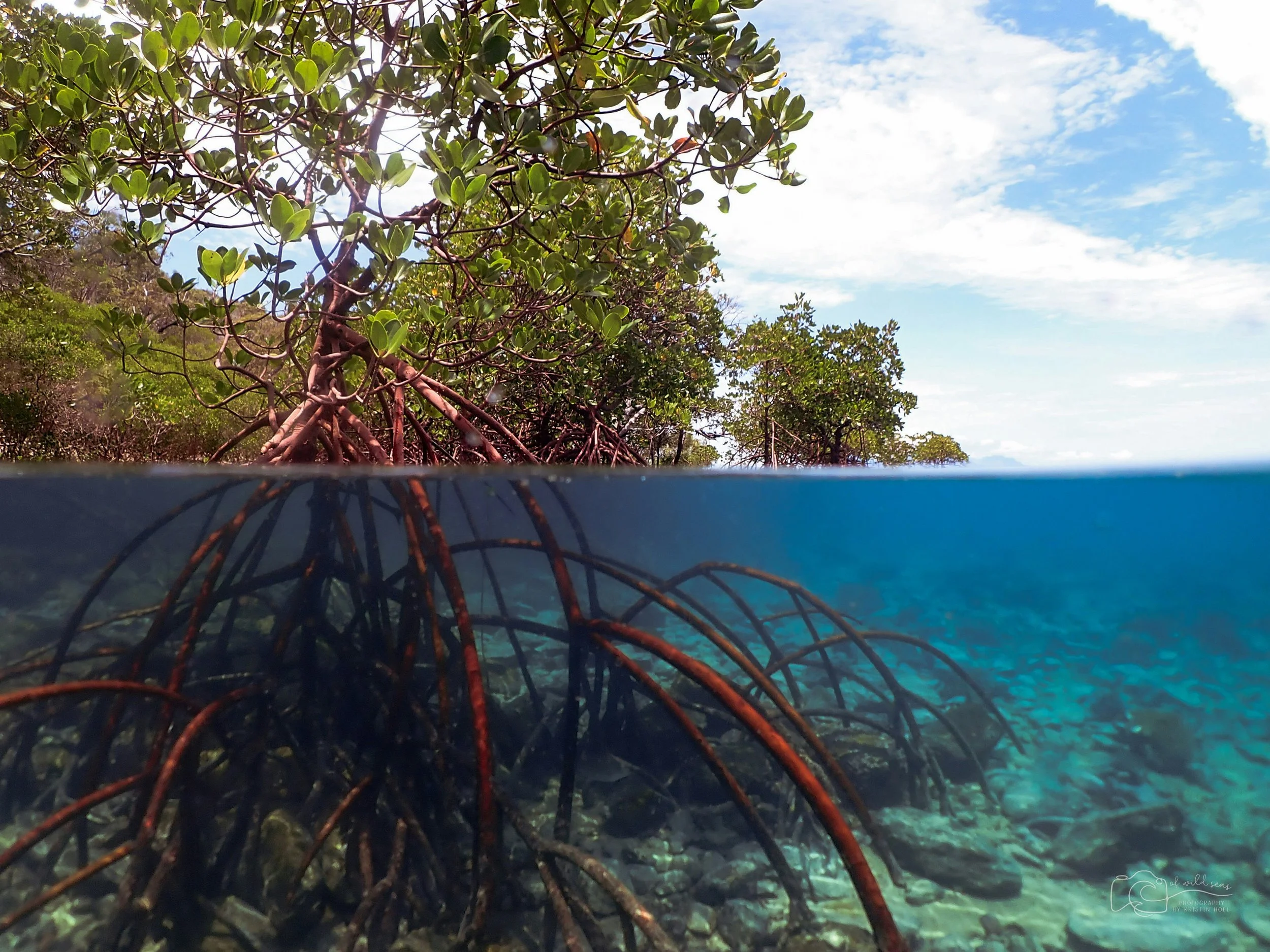
Mangroves can support climate resilience, biodiversity, community livelihoods and equitable tourism when local people have a meaningful stake in conservation and restoration. Focusing on examples from Indonesia, the Caribbean and Senegal, the article highlights the value of mangrove ecosystems within the blue economy, from fisheries and coastal protection to nature-based tourism and women-led oyster harvesting. The future of mangrove restoration should not only be about protecting nature, but about ensuring local communities benefit from sustainable, regenerative and inclusive travel.
Tourists: Love or Hate Them, We Need Them
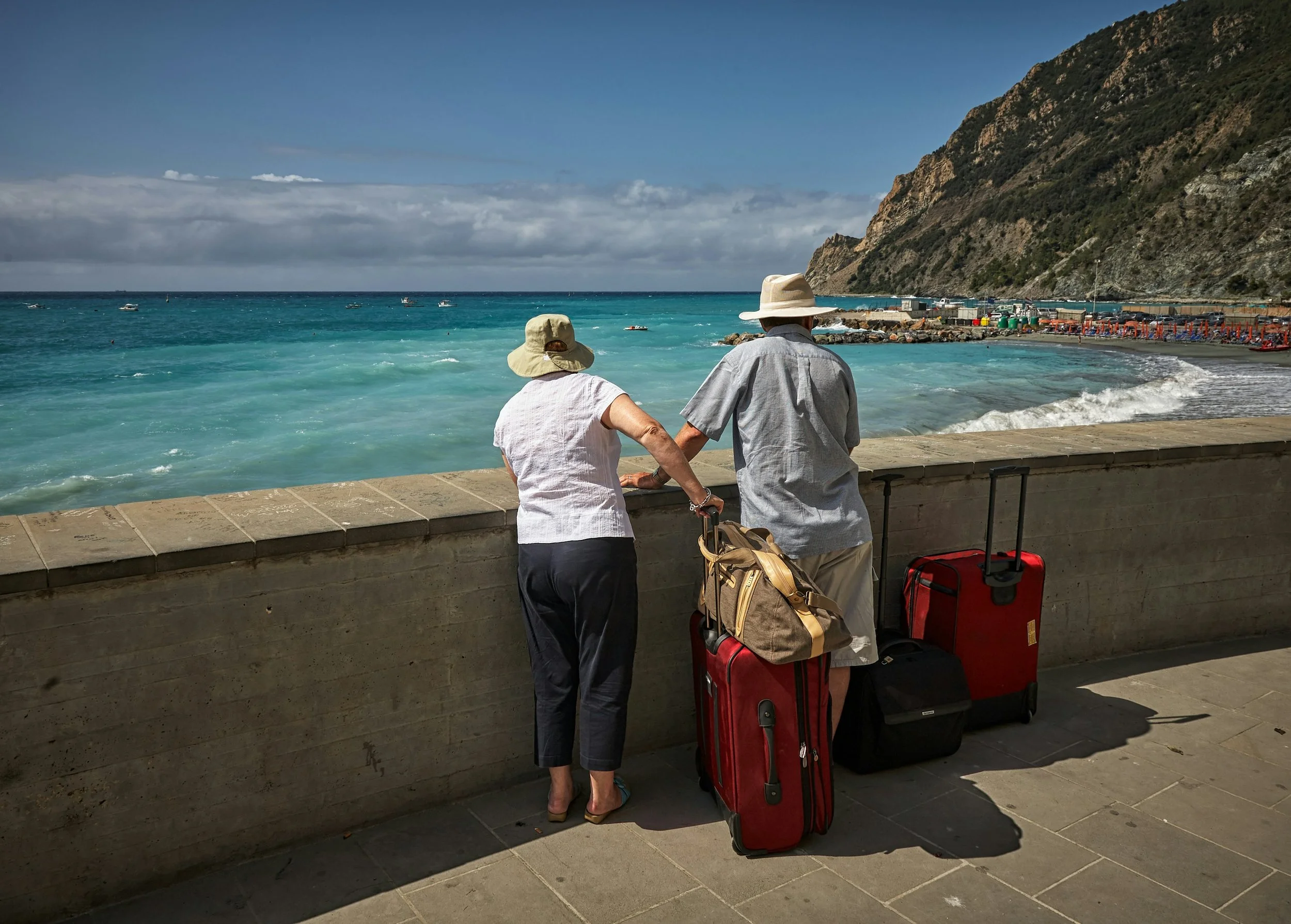
Overtourism is back with a vengeance this peak season — and the destinations under the most pressure are often the ones most exposed to climate risk too. Changing what we call tourists won't fix that. Changing the model might. A short read on why the shift from extraction to inclusion has to happen everywhere at once - mindset, language, model.

The Last Hurrah Economy
We're flying on borrowed time. Why the travel industry's climate pledges are unravelling — and what changing our language could do about it.
IATA admits SAF is stuck at 0.8% and its own net-zero targets are "fading fast" — yet passenger demand is set to double by 2050. This article unpacks travel's last hurrah economy, why "peak season" is a myth that lets us off the hook, and why the destinations least responsible for emissions are the ones paying the highest price.
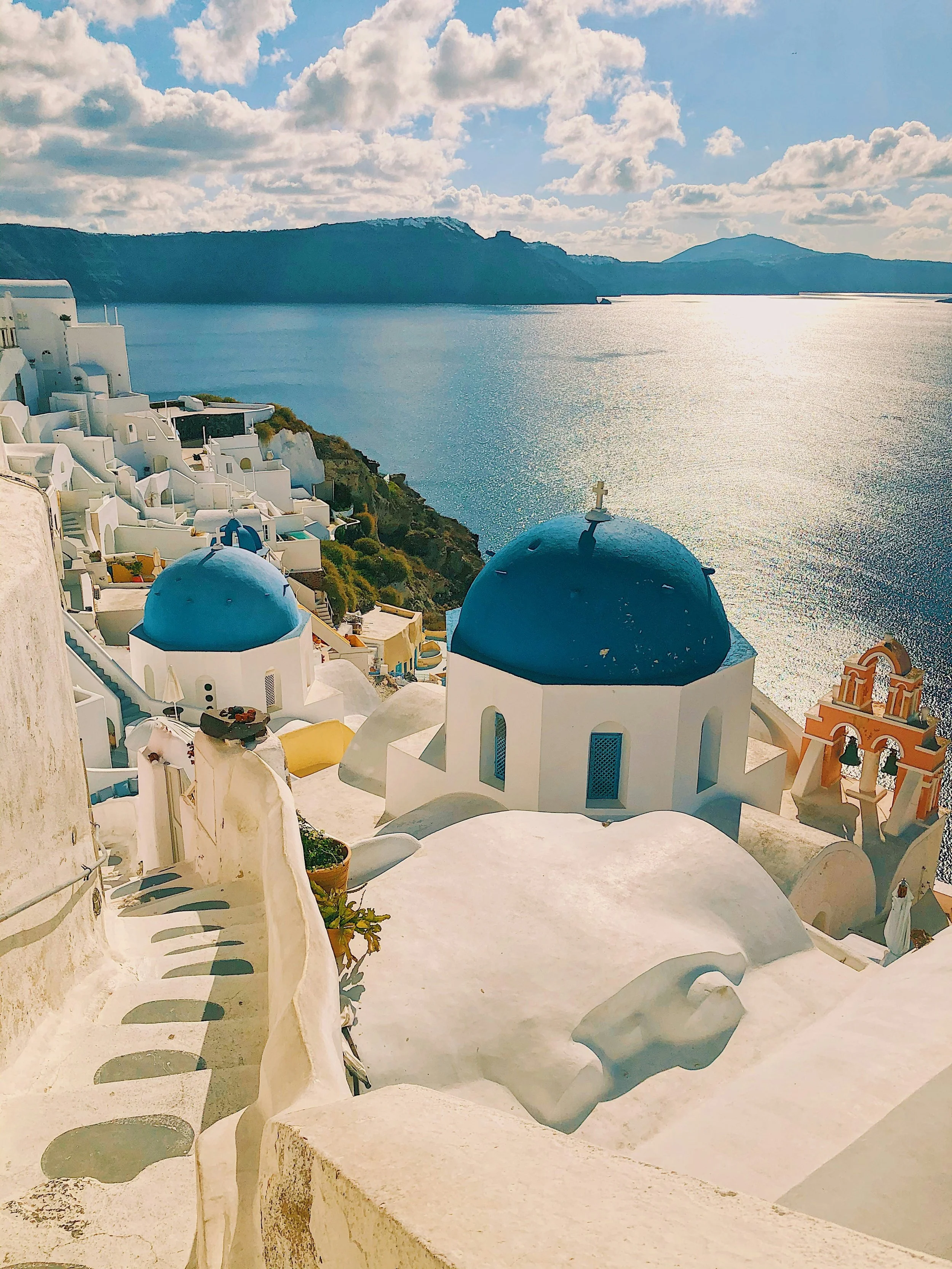
Summer travel trends interview
Coolcations, slow travel & sustainable hospitality: expert insights on Europe's rising destinations, overtourism challenges, and travel trends to 2050
Europe remains the world's top travel region, but 2026's summer trends reveal a landscape in flux — shaped by climate, cost, and a growing demand for authenticity.
Coolcations are no longer a niche. Iceland saw 29% arrivals growth in 2024/25, Norway 13%, as travellers seek cooler climates and off-the-beaten-path experiences. Scandinavia's "articsummer" positioning and Scotland's diverse offering are capturing this shift, while JRC data projects a long-term rise in northern European demand against a decline in traditional southern hotspots.
Sustainability is no longer optional marketing. 85% of consumers say sustainable travel matters, per Booking.com — though a say-do gap persists, especially among younger travellers. Certification is replacing slogans: a third of travellers now seek verified proof, not greenwashing.
Value is being redefined. AI-driven personalisation is narrowing the expectation gap between price and experience, while overtourism pressures — from the Canary Islands' bleisure backlash to city-level strategies in Amsterdam and Copenhagen — are pushing operators toward regenerative models and off-peak growth.
Looking to 2050, the industry faces a reckoning: continued growth must be matched by decarbonisation, or travel risks becoming restricted, elite, and exclusionary.Europe remains the world's top travel destination this summer, but the trends shaping it are shifting fast.
Coolcations are driving demand north. Cooler climates are outperforming traditional Mediterranean hotspots, as travellers rethink where — and when — they holiday in response to rising heat and climate pressures.
Sustainability is moving past marketing. Most travellers say it matters to them, but there's still a gap between what people say and what they book. Certification, not slogans, is what's starting to build real trust.
Value is being redefined too. AI-driven personalisation is helping travellers close the gap between price and experience, while overtourism is forcing destinations and operators to rethink growth — spreading demand across seasons and regions rather than concentrating it.
Hospitality is following suit. The experience now matters more than the hotel itself — wellness, local immersion, and authenticity are what's setting operators apart.
Looking ahead, the industry faces a bigger reckoning. Continued growth must be matched by real climate action, or travel risks becoming restricted, exclusive, and out of reach for many.
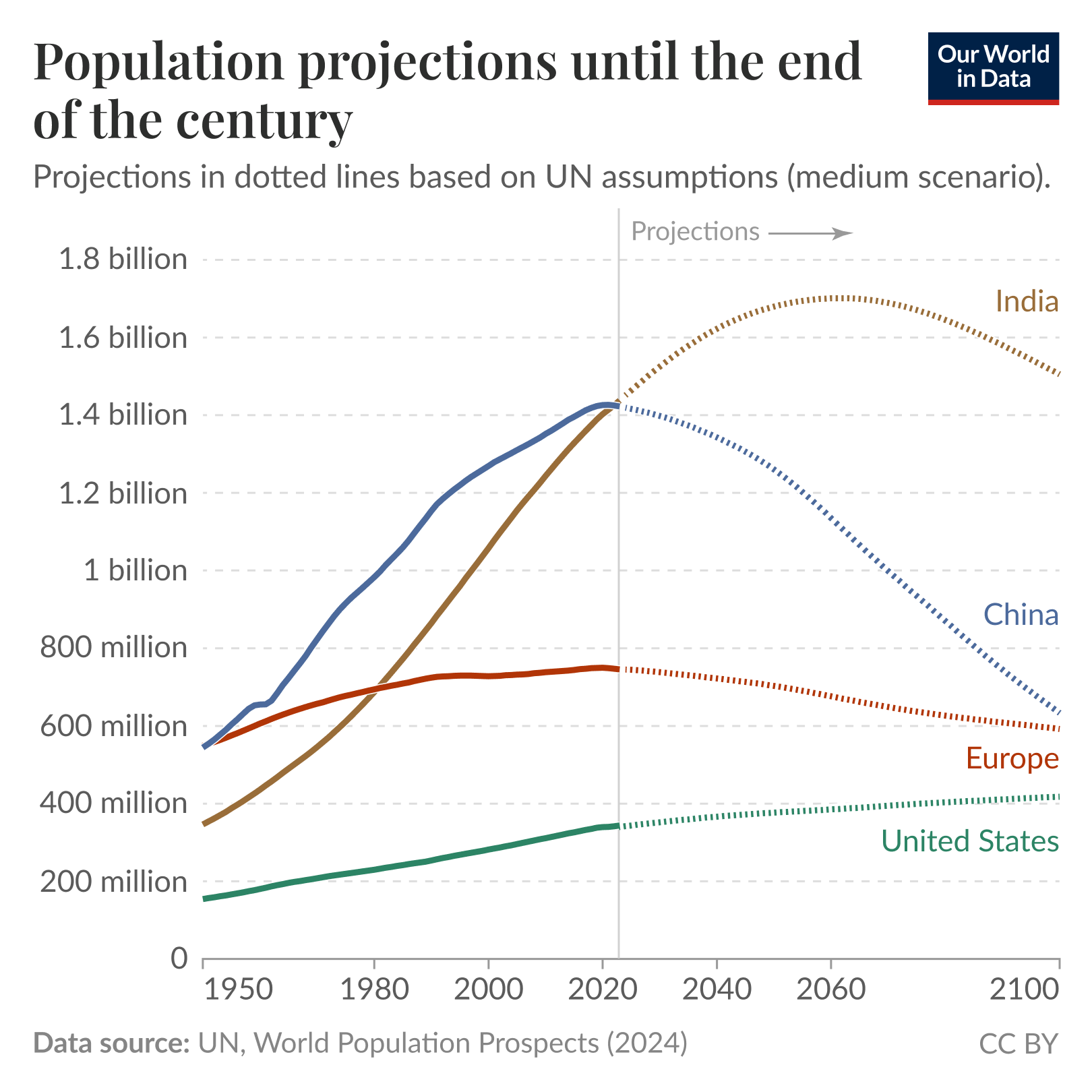
How can travel remain fair, inclusive and equitable?
This article explores how the future of travel can become fairer, more inclusive and more climate-conscious as tourism demand rises across emerging markets. It examines the tensions between overtourism, aviation emissions, passport inequality, carbon pricing and climate migration, while arguing for a shared transition that protects communities, residents, indigenous peoples and vulnerable destinations. From regenerative tourism and community-led destination management to nature-based solutions, resident engagement and fair work in hospitality, the piece calls for a new travel model rooted in equity, resilience, climate justice and net positive impact.

Will travel be the new smoking?
Rising costs, community backlash and the climate crisis are converging on tourism. If the industry doesn't transform to net positive and regenerative models — and fast — it risks the same cultural and regulatory fate as smoking. The science is catching up. The communities are pushing back. And the window for voluntary action is closing.
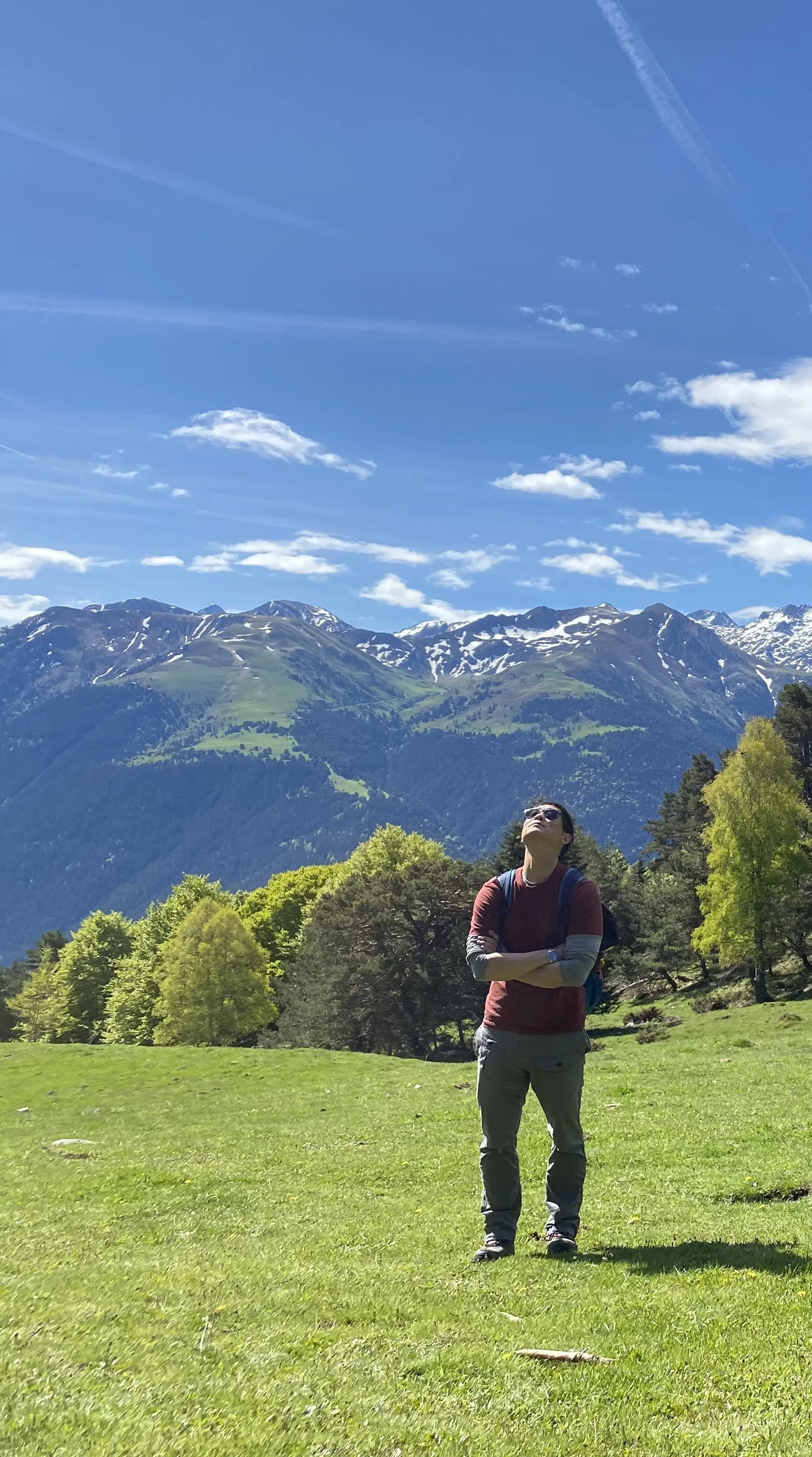
From regenerative tourism to actionable local impact
Sustainability is no longer the standard for tourism, with destinations moving beyond it to regenerative tourism practices including agritourism. Other low impact niche segments include cycling where there is higher spend per visitor, with cycling visitors looking for off the beaten path and authentic experiences.
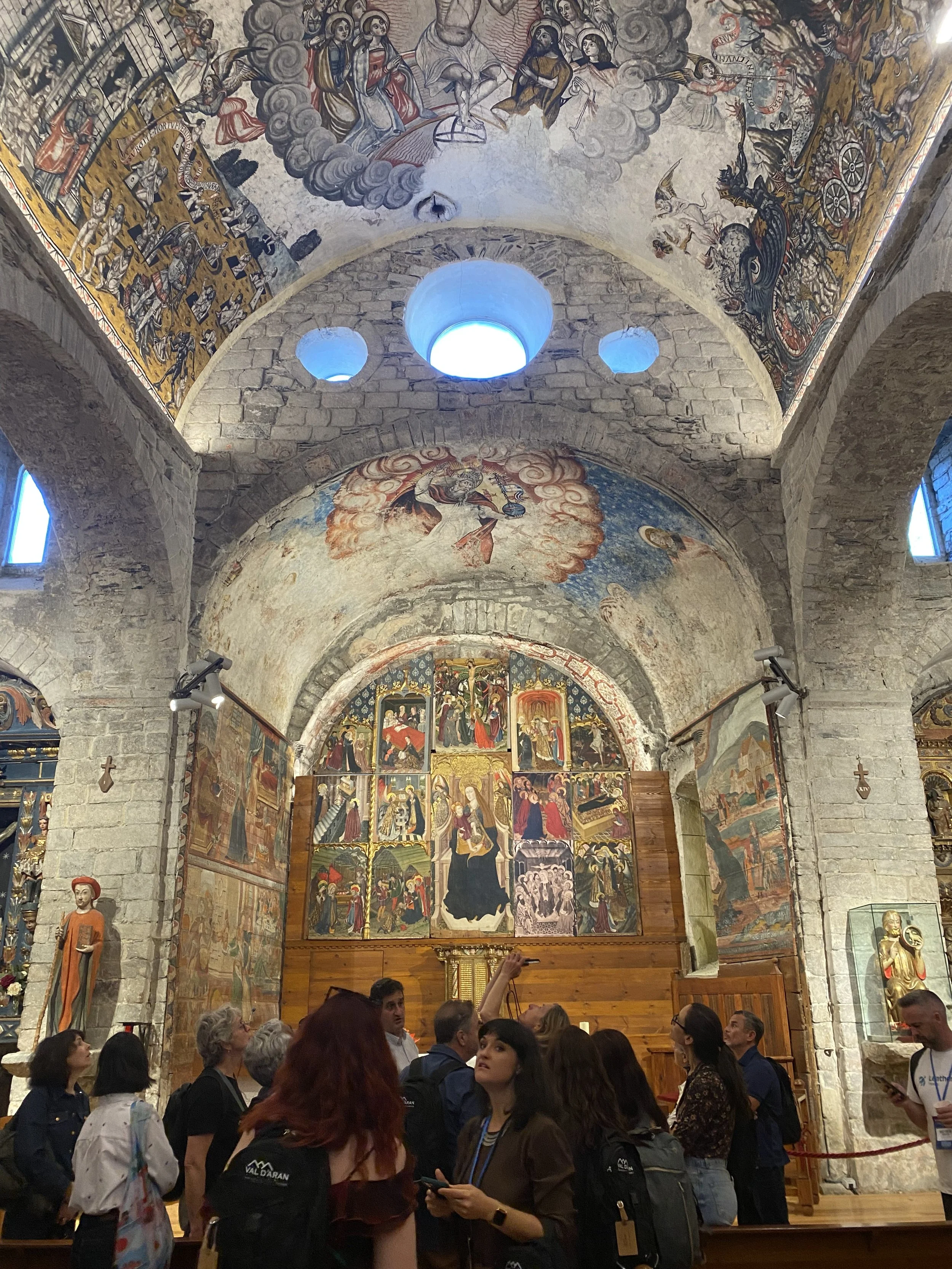
Destinations as living ecosystems for equitable tourism
When it comes to tourism, often communities are left out of important decisions about their future, whereas a living systems approach is required so that tourism is not just an end in itself, but a means to positive impacts.
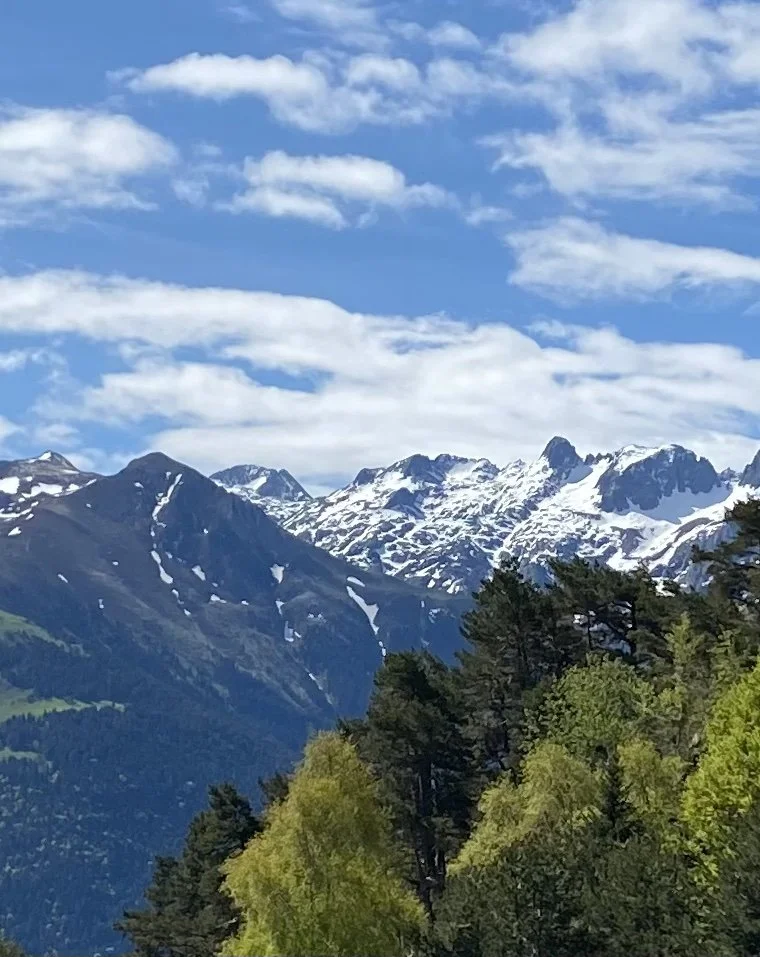
Converting challenges into opportunities
Adventure travel is not immune to the global challenges facing the broader industry, from geopolitical uncertainty, war, digital disruption and climate change.
At Adventure Elevate Europe, adventure operators discussed the challenges and opportunities, and how to navigate a path ahead driven by purpose and passion.
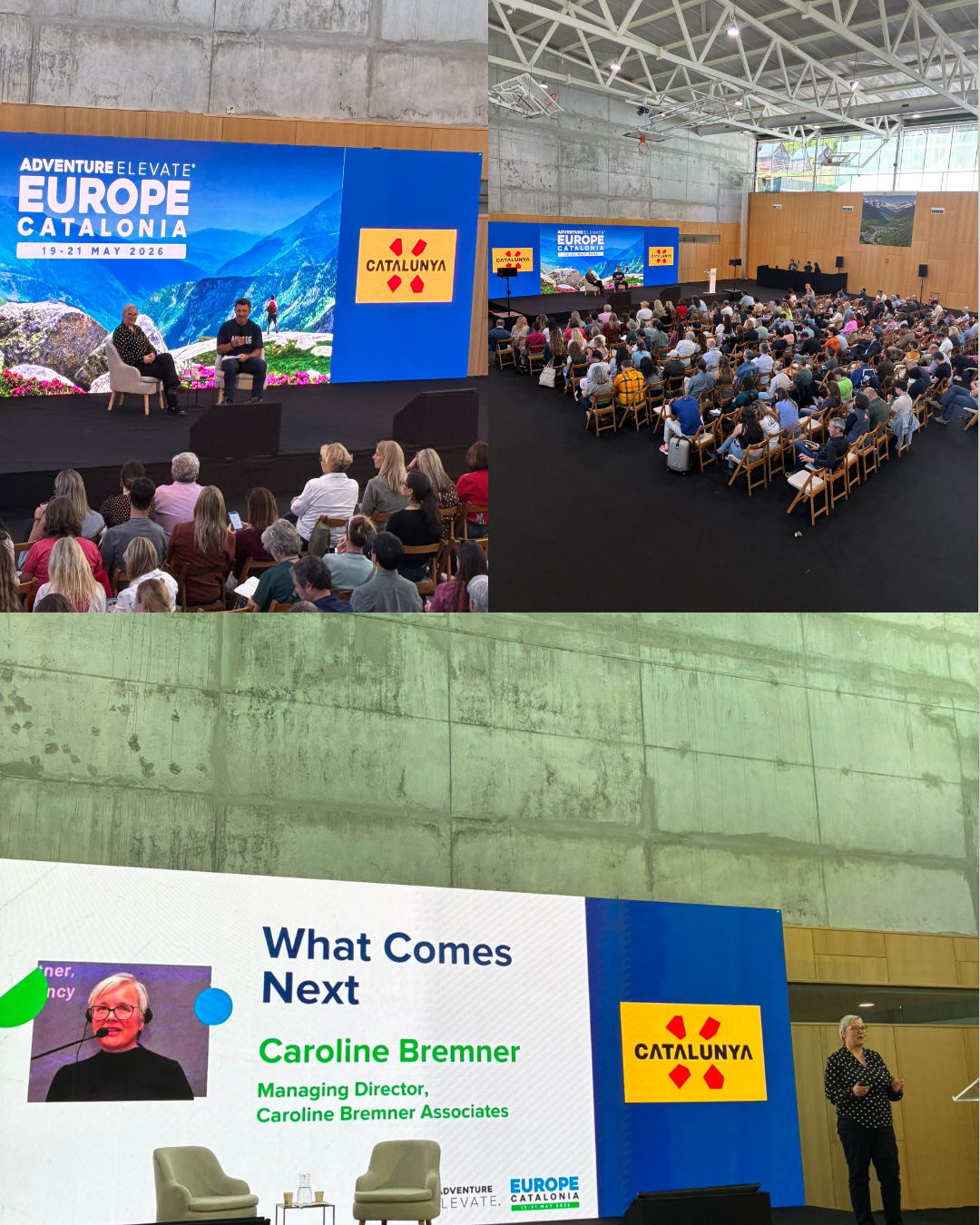
What Comes Next: Responsibility, Opportunity and the Future of Adventure Travel
Is global travel becoming more regional, expensive and sustainable?
In this interview for CGTN, Caroline Bremner discusses the latest data and trends in travel and tourism. Caroline considers whether the travel industry is becoming more regional, expensive and sustainable by necessity rather than choice. In the face of record uncertainty caused by war in the Middle East and the repercussions on global energy supplies, travel businesses and destinations are dealing with severe geopolitical turbulence where supply is contracting.

Outlook for summer travel 2026
Travel and tourism face increasing pressures due to the downgrade in the global economy as a result of the war in the Middle East. With record fuel prices and mass flight cancellations, summer 2026 is gearing up to be one of chaos and uncertainty for travellers.

Meet at ATTA Elevate in Catalonia
Adventure travel is a major economic powerhouse valued at USD1 trillion. Join me in Catalonia at ATTA Elevate to discuss ways to create the Art of Balance in volatile macro-economic and geopolitical times, finding the best path forward for sustainable, net positive adventure tourism.
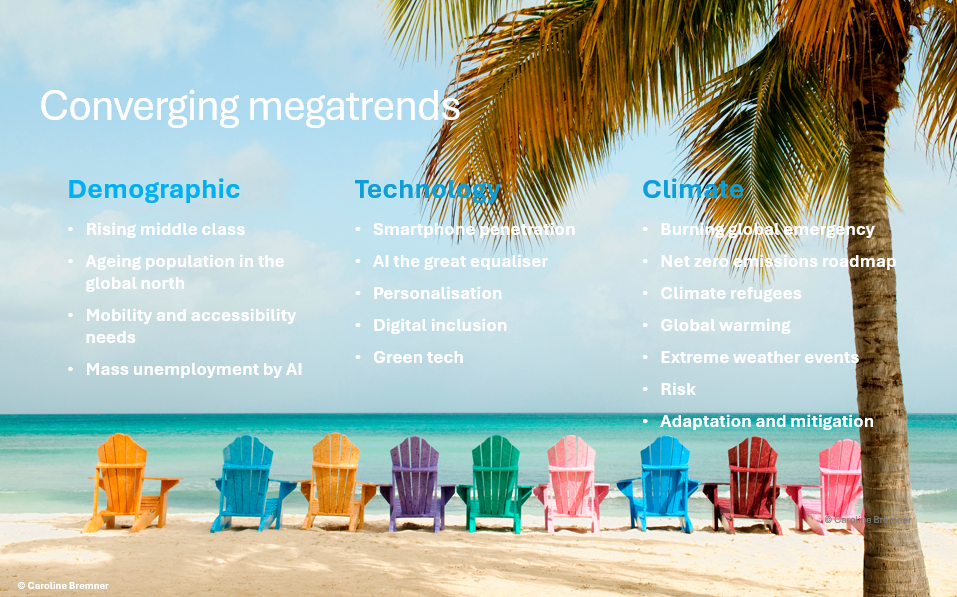
Empowering Women to Future-Proof Travel
Women account for around 40% or less of the global workforce in travel and tourism, so it was great to speak to different cohorts of women at different stages of their education.